Urgent action needed to support Latino high schoolers and English learners
The latest results from the Nation’s Report Card reveal troubling setbacks for Latino high schoolers and English learners, especially in math and reading. The recent withholding of federal education funds and grants is threatening to further widen the gap.
This month, the Nation’s Report Card released new results for secondary students, including 8th grade science and 12th grade math and reading. This is the first update for these scores since 2019.
The latest scores confirm a troubling pattern of student decline and stagnation in core subjects. Earlier this year, results for 4th and 8th grade reading and math revealed sharp setbacks, particularly for Latino students and English learners, who lost more ground than their peers. UnidosUS’s analysis in March highlighted how these widening gaps put their long-term success at risk.
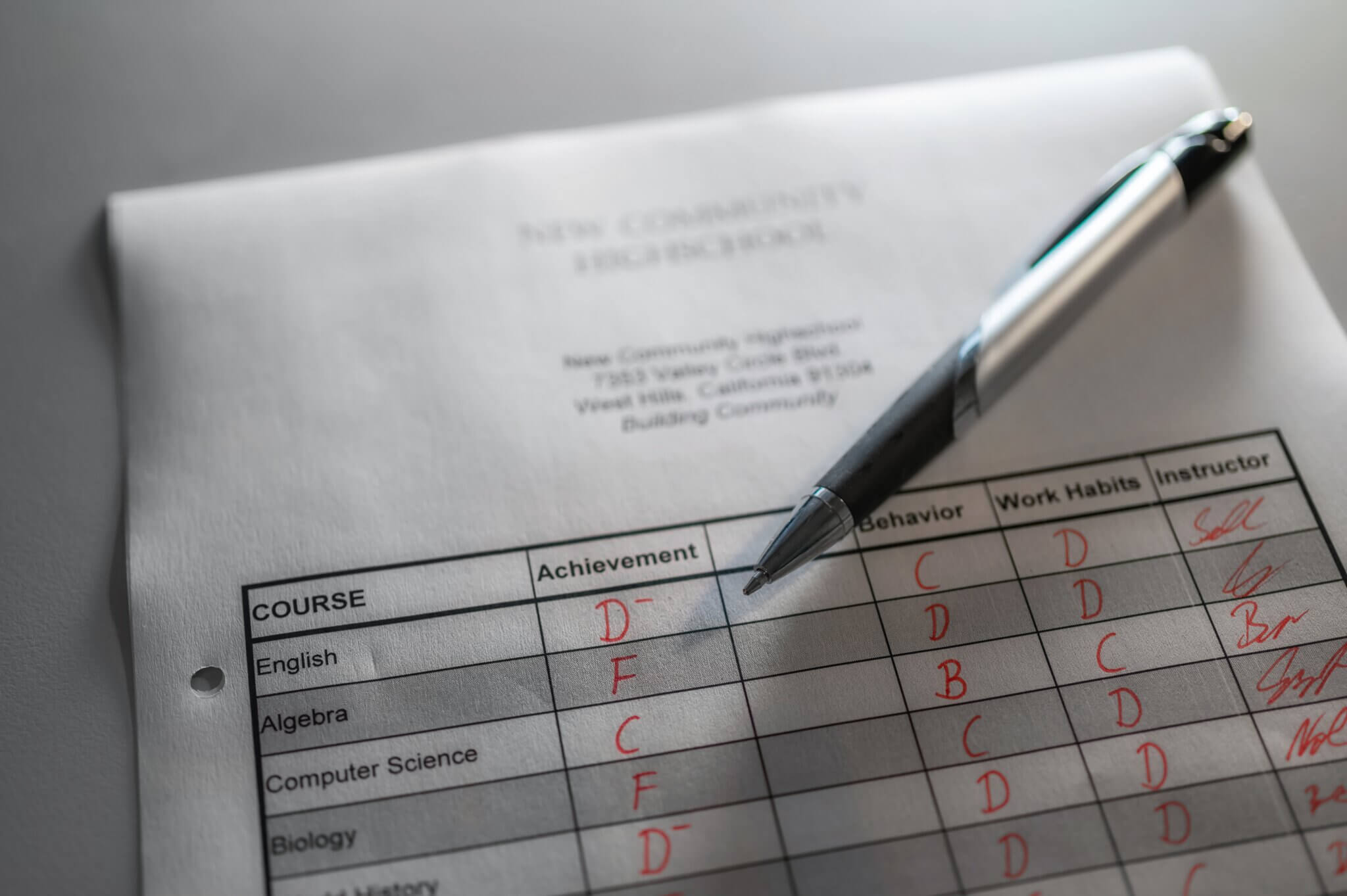
Now, the picture grows even more concerning at the high school level for Latino students. In 12th grade math, Latino students experienced disproportionate declines compared to every other racial and ethnic group. These results underscore the urgent need for targeted interventions to support students who are lagging behind.
Unfortunately, the withholding and delayed release of federal education funds in recent months are likely to make it harder to meet the needs of students who are struggling. Billions of dollars intended to help schools invest in proven strategies such as tutoring, parent engagement and bilingual education were recently withheld, causing chaos for schools and students. It’s still unclear if Congress will continue providing these funds.
Students lose ground in math
Perhaps most alarming, Latino students experienced an average score decline of 5 points in 12th grade math since 2019, which is a larger decline than any other racial group. In all, the average Latino student score was 43 points below proficient.
English learners also saw little progress, seeing an increase in the average score by one point, but remaining 64 points below proficient. While technically better than further decline, English learners aren’t progressing at the rate they need to close persistent gaps.
Nationwide, students in 12th grade scored 3 points lower than in 2019. Twelfth graders fared slightly better than younger students. Yet only 22% scored at or above proficient. Our earlier analysis revealed that Latino students averaged 41 points below proficient in 8th grade math. English learners continue to face systemic barriers that prevent them from reaching their full academic potential.
Math achievement is especially critical because success in advanced math courses is closely tied to college enrollment and success.
Scores stagnate in reading
Latino and English learners also did not see significant improvements in reading for 12th grade. The average English learner score was 65 points below proficient. The average Latino student score was 30 points below proficient.
However, it’s important to note that many English learners who do achieve proficiency in English are reclassified and no longer counted as English learners by the time they take the National Assessment of Educational Progress test in 12th grade, making English learner performance a moving indicator that may not fully capture their progress.
Science emerges as a bright spot for English learners
In 8th grade science, English learners saw score increases while the general population declined. This finding is particularly significant because it demonstrates what educators have long known: When properly supported, English learners can excel in content areas like science. The false choice between language learning and content mastery has held back too many multilingual students for too long.
While secondary Latino students and English learners showed fewer declines in science scores when compared to concerning declines documented earlier this year in 4th and 8th grade reading and math, we cannot celebrate stagnation when these students remain far from meeting performance expectations. At a time when education budgets are being slashed and critical funds are being withheld, the priority must be on getting resources out to schools and communities so they can support students who need it most. For students already struggling, every dollar lost or delayed makes the gaps harder to close.