Some assembly required: The future of affordable housing
By Raizel Febles, Rutgers University’s 2024-2025 Institute for the Study of Global Racial Justice Fellow
Hacienda Community Development Corporation (Hacienda CDC) is addressing Oregon’s housing shortage by building affordable homes that are sustainable and environmentally responsible and support the local economy. With support from the UnidosUS Home Ownership Means Equity (HOME) initiative and a national pilot program called PASOS (Pathways to Advancement Through Skills, Ownership and Support), Hacienda CDC is also able to pair affordable homeownership with construction training and homebuyer education.
Keep up with the latest from UnidosUS
Sign up for the weekly UnidosUS Action Network newsletter delivered every Thursday.
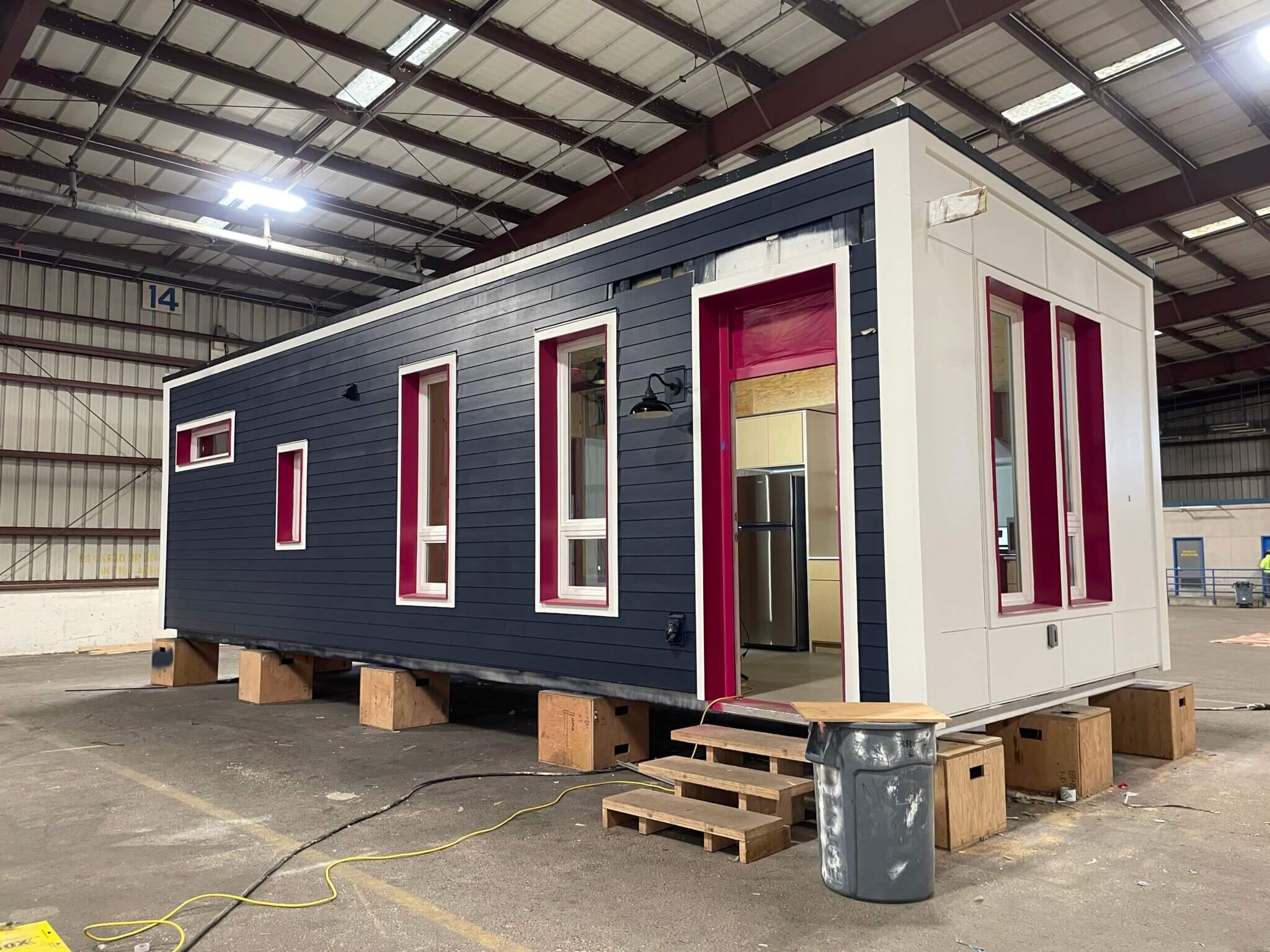
Why aren’t there homes that are “ready to assemble” just like Ikea products?
Ernesto Fonseca, CEO of Hacienda Community Development Corporation (Hacienda CDC), kept asking himself this question amid the existing national housing shortage, especially as it worsened in Oregon.
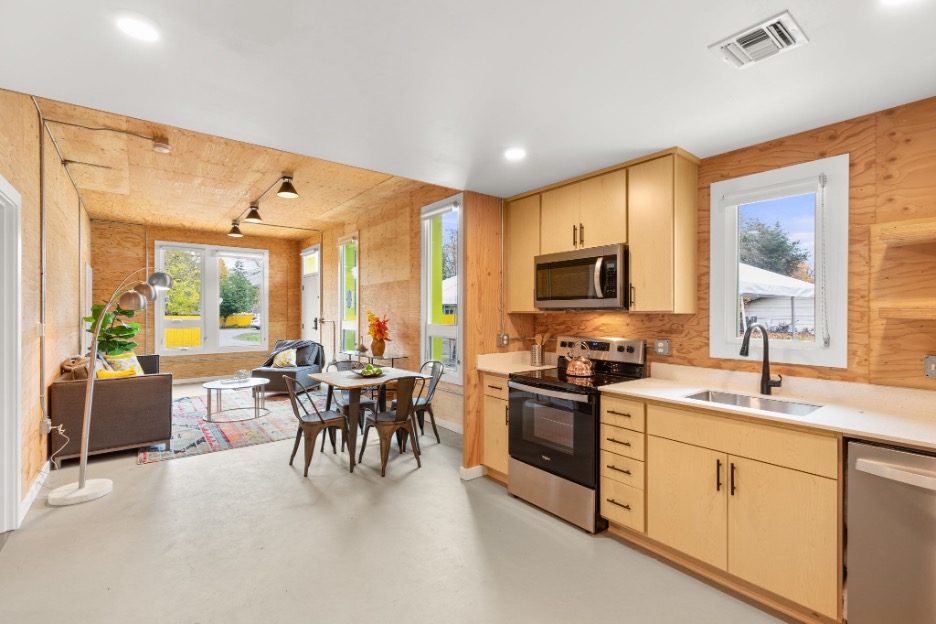
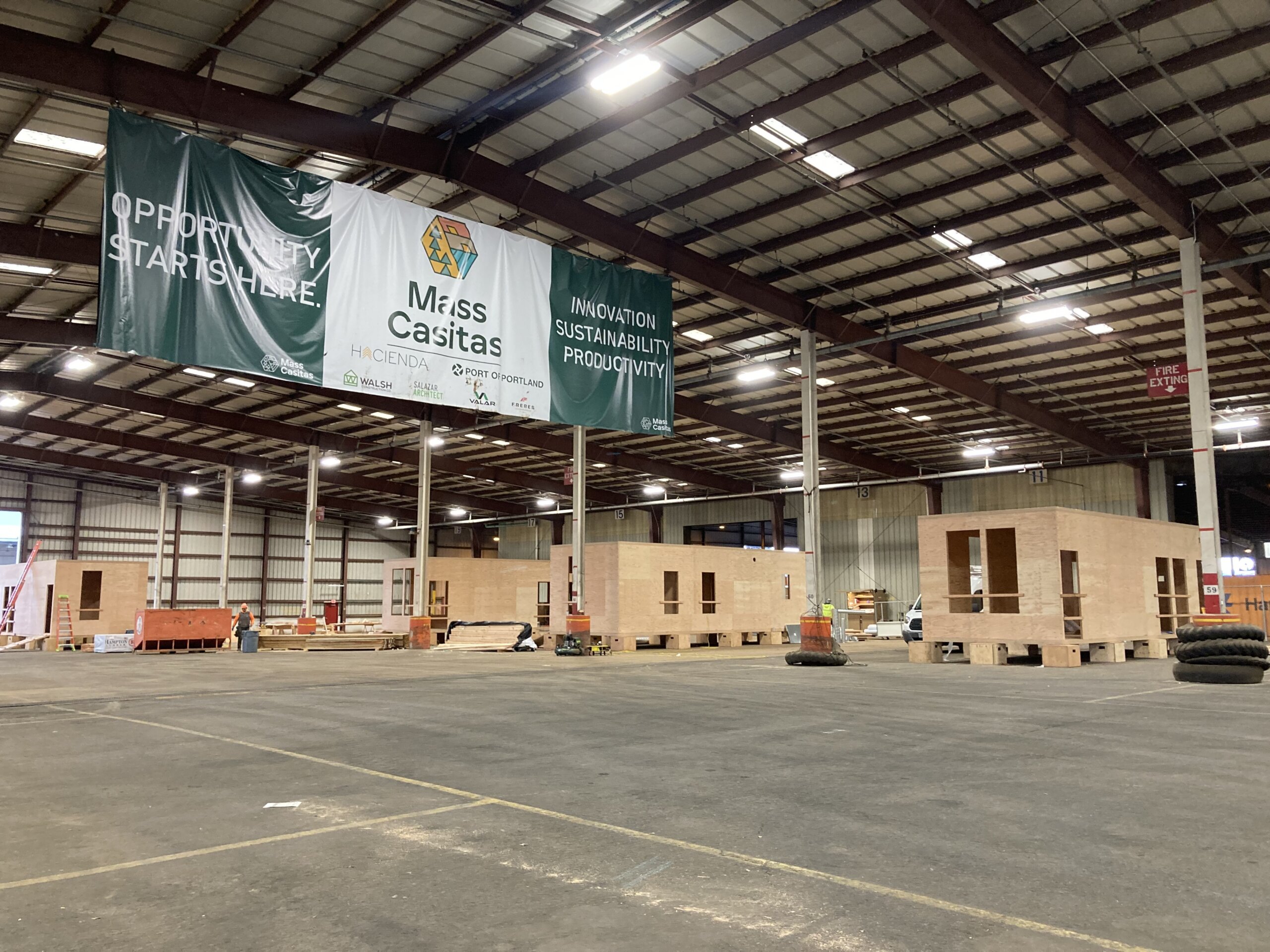
This year, UnidosUS, through the PASOS (Pathways to Advancement Through Skills, Ownership and Support) program, supported Hacienda CDC in developing an answer for the communities it serves: Mass Casitas, factory-produced mass timber modular homes.
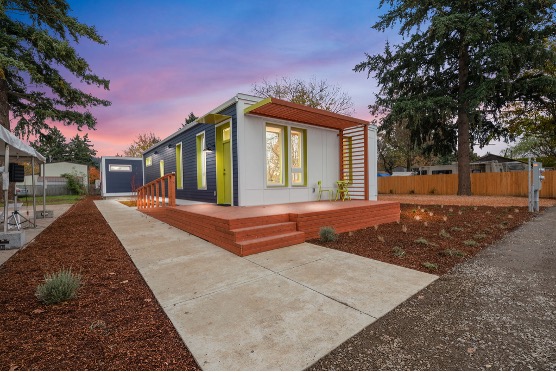
This unique housing development approach allows for the construction of affordable, durable and environmentally sustainable homes while also supporting local economies and expediting the time it takes to get affordable homes to market compared to traditional, site-built construction.
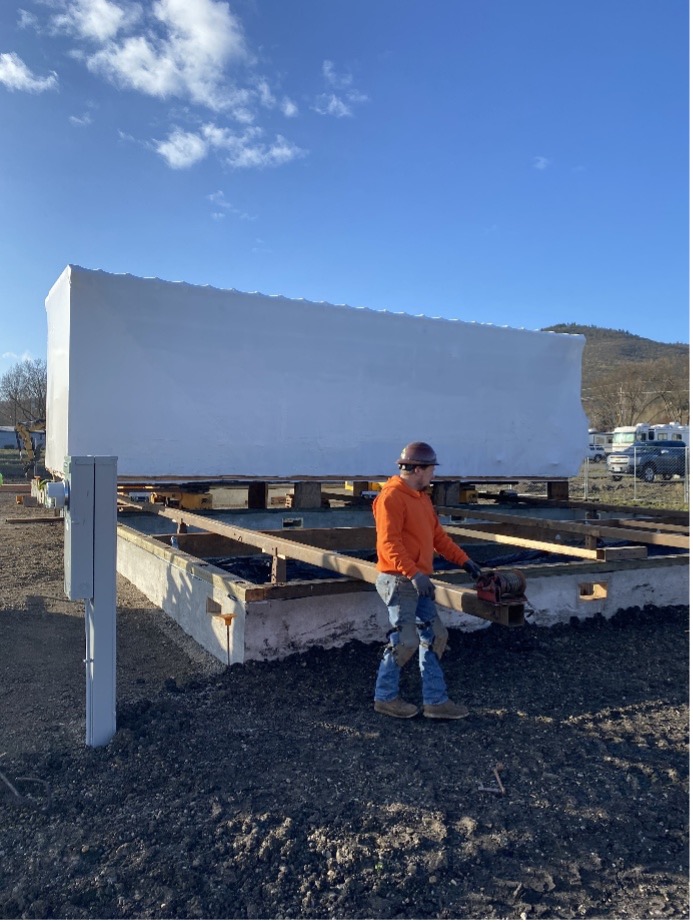
Fonseca wanted homes that could be made in a factory and shipped to be assembled wherever they were most needed. Mass Casitas are perfect for remote locations that may lack the workforce needed for traditional construction. For these easy-to-build, Ikea-like homes, all that is needed is an appropriate plot of land
“They can ship the house and be ready to live in it that same night,” says Oscar Huerta, innovation and program coordinator for Hacienda CDC.
For many Latinos, homeownership is not just building wealth; it is stability, family, and belonging. Yet many barriers persist, according to the Federal Reserve Bank of St. Louis: Latino households have just one-fifth the wealth of white households. With Latinos in the workforce earning 23% less than their white counterparts, homeownership feels out of reach.
In Oregon, where Hacienda CDC is based, population growth has outpaced homebuilding, which has disproportionately affected housing affordability for low-income households and communities of color.
According to the “2024 State of the State’s Housing Report,” homeownership rates among Hispanic or Latino households stood at 45.2% in 2022, significantly lower than the 65.8% rate among white households . At the same time, nearly half (47%) of Hispanic renters faced a severe and ongoing rent burden, underscoring the persistent housing affordability challenges affecting Hispanic communities in Oregon.
In 2026, the UnidosUS Home Ownership Means Equity (HOME) initiative and Workforce Development team launched a national pilot program: PASOS.
Our goal with PASOS is to expand career on ramps to good jobs in homebuilding while also addressing labor shortages in the home construction sector,” Laura Arce, senior vice president for economic initiatives at UnidosUS, says. “Hacienda CDC’s impact on individuals improving their career opportunities and families accessing stable homes is a national model that UnidosUS is proud to support.”
Through PASOS, Hacienda CDC has been able to bring together the essential components needed to achieve affordable homeownership by combining new home development with pathways to careers in construction and homebuyer education.
“PASOS is a win-win strategy,” says Leticia Cervantes, director of innovation at Hacienda CDC.
Through the organization’s Mass Casitas initiative, Hacienda CDC donated their first six Mass Casitas, including to a single mother of two children and a couple displaced by a wildfire.
Cervantes says PASOS allows Hacienda CDC to advance its mission by creating social and economic stability in the communities they serve.
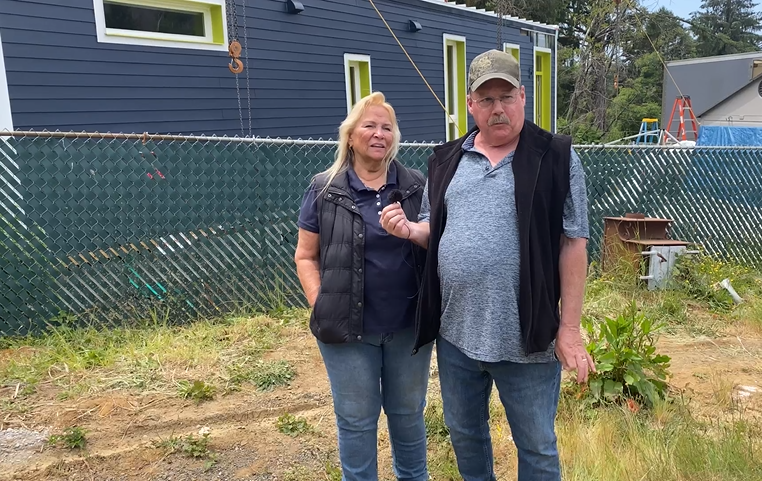
Their next aspiration for their community? To enhance the manufacturing process so that Mass Casitas can be built faster and more efficiently, ready to be deployed whenever they are needed — especially in response to natural disasters.
“We are currently working on the next batch of Mass Casitas, this time including multi-dwelling communities,” Huerta says.
That future includes deploying Mass Casitas across Oregon. These durable, low-maintenance homes will help create long-term wealth and stability for families by providing housing that can be passed down through generations.