Citizenship Day 2026: Fighting for an Affordable and Accessible Path to U.S. Citizenship
By: Gary Sang, Immigrant Integration Program Manager
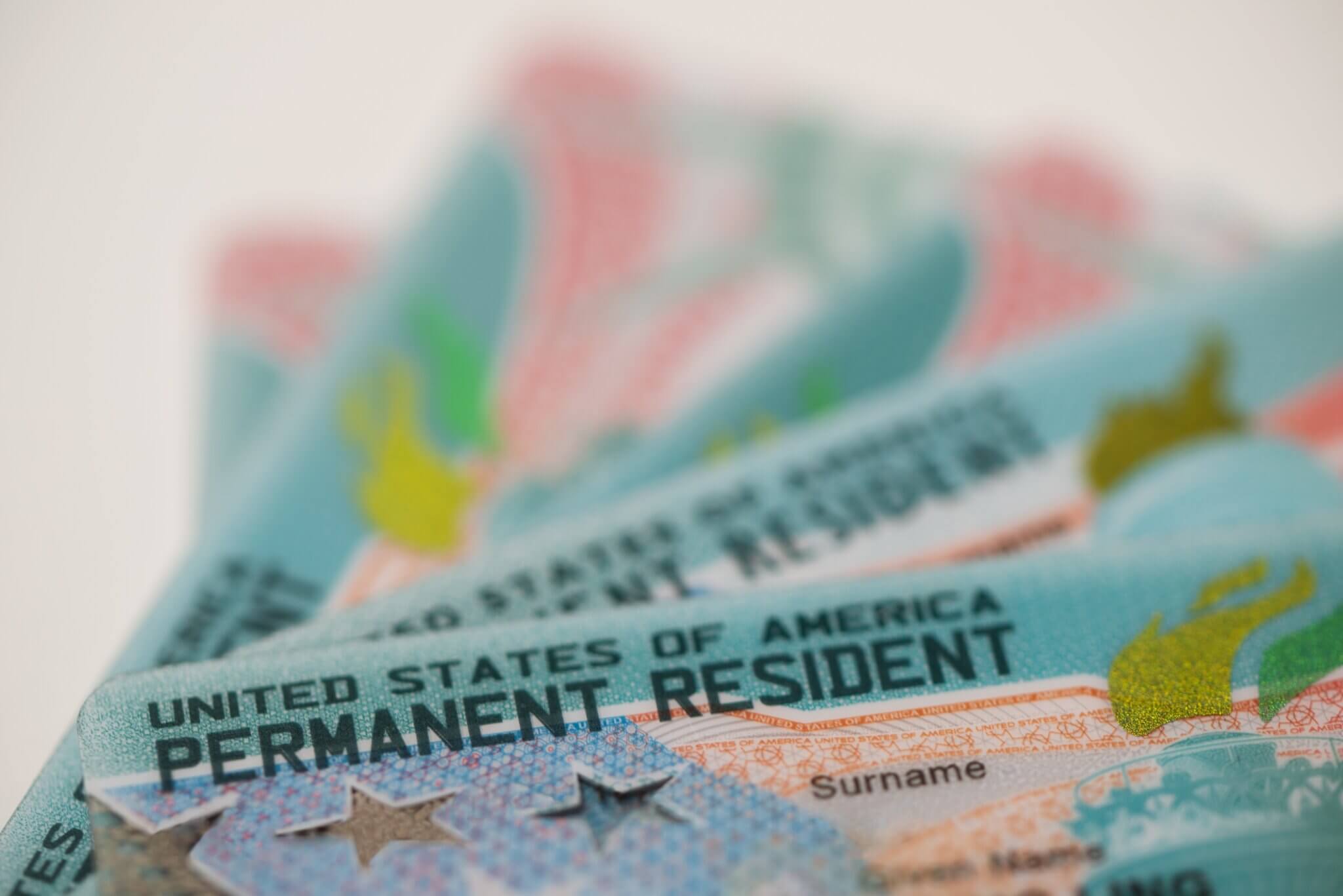
Applying for U.S. citizenship should be a path forward and a moment filled with hope. Yet the Trump administration has narrowed the process to U.S. citizenship by introducing new obstacles, all while members of Congress fail to intercede and conduct oversight. Lawful permanent residents, also known as green card holders, who meet the requirements to naturalize are facing challenges that threaten their ability to complete the process, including the potential of higher application costs, longer wait times and growing uncertainty.
This Citizenship Day, UnidosUS is doubling down on our advocacy for a citizenship process that is accessible, affordable and fair.
Keep up with the latest from UnidosUS
Sign up for the weekly UnidosUS Action Network newsletter delivered every Thursday.
A More Complex and Uncertain Path to Citizenship
Applying for U.S. citizenship has always required applicants to gather years of records, undergo background checks, document their eligibility, prepare for the English and civics requirements, and navigate a complex legal process. But even with extensive requirements, the process should be fair and designed to help eligible individuals become U.S. citizens — not to deter them.
Over the past year, U.S. Citizenship and Immigration Services (USCIS) policy and procedural changes have placed new burdens on applicants and legal service providers. For example, USCIS has relied on FBI biometric and background checks to obtain information related to naturalization eligibility for decades, but this administration has announced that instead of generally waiving a requirement for neighborhood investigations, it will review each case and determine whether a neighborhood investigation is necessary, allowing neighbors, co-workers, or employers to be interviewed to assess an applicant’s “good moral character.” This and other policy changes mean that immigration legal service providers are spending more time screening applicants and preparing additional information and evidence that may not have been necessary in the past. Issues that may have been routine can now require more explanation, more documentation and greater caution.
Community-based immigration legal service providers, including UnidosUS Affiliates, see the impact of these changes up close. They remain steadfast and trusted sources of accurate information, helping eligible lawful permanent residents understand their options, assess potential risks, and make informed decisions about whether and when to apply. That work is essential, but it also requires more time, resources and trusted relationships with the communities they serve.
For eligible applicants, these added barriers can mean more questions, more fear and more uncertainty. Some are ready to apply but are unsure whether they can afford the filing fees, legal assistance, or time away from work and family responsibilities needed to complete the process. Others are asking whether naturalization is still a safe option at a time when immigrant communities face heightened scrutiny and enforcement.
Apart from defying the long-standing American value of welcoming immigrants, these USCIS policies and procedural changes do not make the naturalization process more fair or more secure. Instead, they make it harder for eligible lawful permanent residents — and the practitioners who serve them — to move forward with confidence. With approximately 8.5 million lawful permanent residents eligible to naturalize nationwide, making the process harder risks leaving behind individuals and families who are ready to become American citizens.
Defending the Path to Citizenship
Naturalization is not simply another administrative process. It is a pathway through which eligible green card holders become full participants in the civic life of the country where they have built their lives. U.S. citizenship provides important rights and responsibilities, and it strengthens civic participation, economic opportunity, family stability and communities.
Naturalization can also strengthen economic opportunity and participation, with benefits that extend beyond individual households to communities and the broader U.S. economy. Research estimates that if immigrants eligible for naturalization became citizens, their earnings would increase by 8.9%, generating billions in additional earnings and tax revenue across communities. Other research has found that citizenship can boost individual earnings, with those gains creating ripple effects that extend to the national economy. Together, these findings show how expanding access to naturalization can strengthen household economic security while expanding the economic contributions of immigrant communities to the U.S. economy.
UnidosUS, alongside our national partners and Affiliates, will continue advocating for a naturalization process that is accessible, affordable and fair for all eligible lawful permanent residents. Instead of erecting barriers, this administration should invest in the resources that help people become U.S. citizens.
The barriers facing applicants do not exist in isolation. When higher costs, increased scrutiny, more demanding procedures and fewer resources for community-based organizations come together, they compound the challenges facing eligible lawful permanent residents. As UnidosUS recently explained in a public comment to the Department of Homeland Security, these changes come at a time when the naturalization process has already become more demanding for many applicants.
This Citizenship Day, we celebrate those who have become U.S. citizens through naturalization and stand with eligible lawful permanent residents preparing to take that step. U.S. citizenship strengthens individuals and families, and it benefits the communities and country we share.
For resources on applying for citizenship and finding qualified immigration legal assistance, including getting screened before you apply, visit: Celebrate Citizenship Day: Unleashing the Power of Naturalization