A moral imperative: The urgent need to safeguard WIC for Latino moms and babies
Alberto A. Gonzalez, Jr., MPP, is president of 562 Strategies, LLC, through which he authored this blog post. He also serves as deputy senior director of state government relations at Families USA and is a former senior official at the U.S. Department of Agriculture and an UnidosUS alumnus.
More American families with children are going hungry today than at the height of the COVID-19 pandemic, according to a new Federal Reserve Bank of New York Report. Latino families are feeling this acutely, according to UnidosUS’s new poll showing that 60% of Latino voters cite the cost of basic needs like food and gas as their top concern for elected officials to address.
And yet, the House passed its fiscal year (FY) 2027 Agriculture Appropriations Bill by a narrow 213-210 vote, and with it, major cuts to WIC, the Special Supplemental Nutrition Program for Women, Infants, and Children. The program is a lifeline that helps pregnant women, new moms, and young kids get the food and nutrition they need to thrive.
Keep up with the latest from UnidosUS
Sign up for the weekly UnidosUS Action Network newsletter delivered every Thursday.
For decades, WIC has enjoyed bipartisan support—and for good reason. WIC is a proven, evidence-based program that improves long-term health outcomes for nearly 7 million pregnant women, new moms, infants, toddlers and preschool children. WIC helps 2.8 million Latinos, or 43.1% of all young families who participate in the program. Both WIC and the Supplemental Nutrition Assistance Program (SNAP), which helps 42 million people (including more than 10 million Latinos), are vital for millions of families in the Latino community and beyond.
More than 2 in 5 American infants under age 1 rely on WIC for nutritious food. It is shocking that any elected official would place such children at risk. How can Congress find the money to wage war abroad and fund aggressive immigration enforcement at home but be unable to muster the resources needed to help low-income parents buy nutritious food for their babies?
People from all backgrounds rely on WIC, but the program is especially important to Latino mothers, infants and children, who continue to experience high rates of nutrition insecurity and associated poor health outcomes. Currently, more than 1 in 5 Latino families faces food insecurity — twice the rate of non-Hispanic white families. This stark reality underscores why programs like SNAP and WIC are so essential for children’s well-being in the Latino community.
The timing of these cuts is particularly dangerous. As food prices climb, millions of families are already losing SNAP benefits due to the so-called “One Big Beautiful Bill Act” (OBBBA) — a regressive federal budget bill approved by congressional Republicans and President Donald Trump in 2025. These reductions are threatening the health and economic well-being of the nation, especially for the Latino community.
This appropriation bill does not reverse those harms; it deepens them. For the second year in a row, leaders in the House are proposing WIC cuts that jeopardize food and nutrition access for millions of Americans, including Latinos. These cuts would worsen health inequities while harming needy young families from all backgrounds. The appropriations bill would take several steps that damage these families:
- The proposal cuts WIC funding by $200 million, compared to FY 2026. With fewer dollars and higher food costs, this allotment will not be enough to serve the eligible people expected to enroll. Instead of receiving the food they need for children’s healthy development, young families will be placed on WIC waiting lists for the first time in more than a generation.
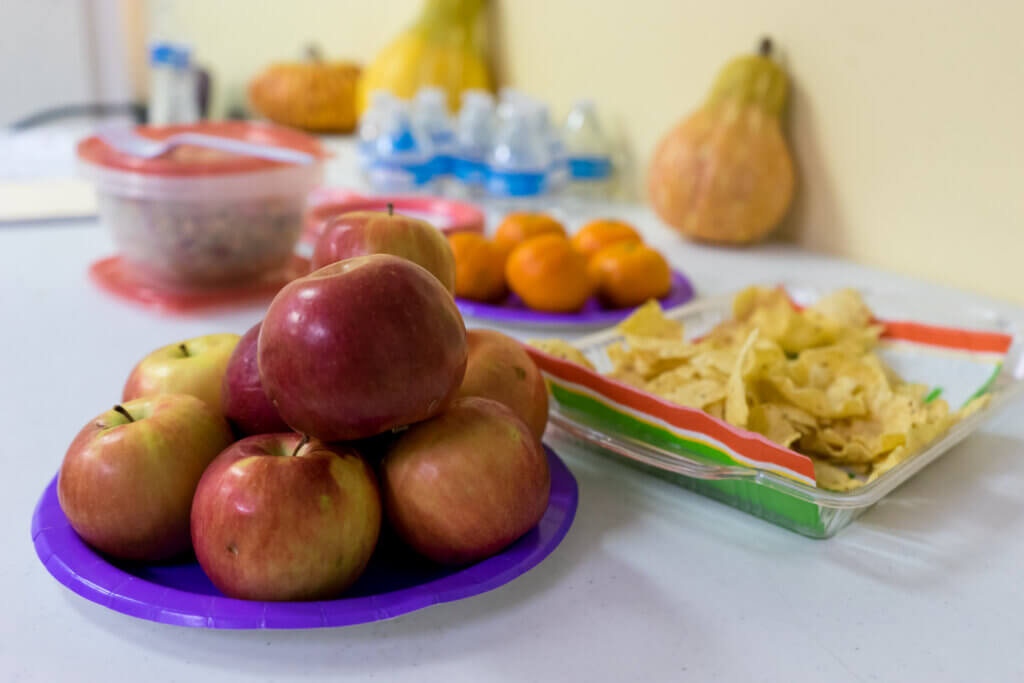
- Approximately $141 million in fruit and vegetable assistance would be stripped from 5.4 million people. This loss increases the risk of hunger and developmental delays for infants and pregnant women.
- Because the proposal fails to extend WIC virtual service options, rigid bureaucratic requirements would once again force families to apply for and renew benefits in person — or lose their benefits if they are unable to travel to WIC clinics multiple times a year. Rural families, for whom travel distances are especially long, will suffer great harm. The same is true of Latino families, who are more likely than most non-Hispanic white families to have inflexible work schedules and limited transportation options.
- The proposal further dismantles the vital nutrition support systems that Latino families rely on by providing $6.2 billion less for SNAP funding than in FY 2026, cementing historic cuts already imposed by the “One Big Beautiful Bill Act” and failing to respond to historic disenrollments nationwide.
The bill introduces more hurdles for families in need of support. It fits into a broader picture of massive federal policy changes that force parents into harrowing dilemmas — choosing between putting food on the table or seeking medical care. Parents are already dealing with:
- Wider repercussions for SNAP and Medicaid participants under OBBBA, which added onerous new paperwork requirements — including work documentation mandates — and tighter immigrant eligibility standards that are kicking millions of lawfully present people out of critical health and nutrition programs.
- The Trump administration’s proposed public charge rule, indiscriminate and cruel deportation operations, and sharing of personal SNAP records with Immigration and Customs Enforcement (ICE), which are inciting fear and leading more than one-third of Latino parents or caregivers to reconsider enrolling their loved ones in essential public benefit programs.
- A reorganization and staff relocation at the Food and Nutrition Service, which threatens to destabilize “the infrastructure that makes WIC work.” The predictable results include confusion and processing delays that will create new obstacles for families seeking assistance.
Prioritizing WIC is both an economic necessity and a moral duty. The quality of care we provide Latino children today determines the strength of our nation tomorrow. Latino families will be watching carefully to see the answers to several key questions: Will members of Congress make it their priority to fund indiscriminate and extreme immigration enforcement and costly foreign wars? Or will they meet the moment by restoring full funding to WIC, including resources to buy fruits and vegetables, and making virtual service options permanent so every eligible family can grow and thrive? Our children’s future cannot wait.